What is a rare genetic disease? A plain English guide for families
Rachel Ho
Genetics 101
What is a rare genetic disease?
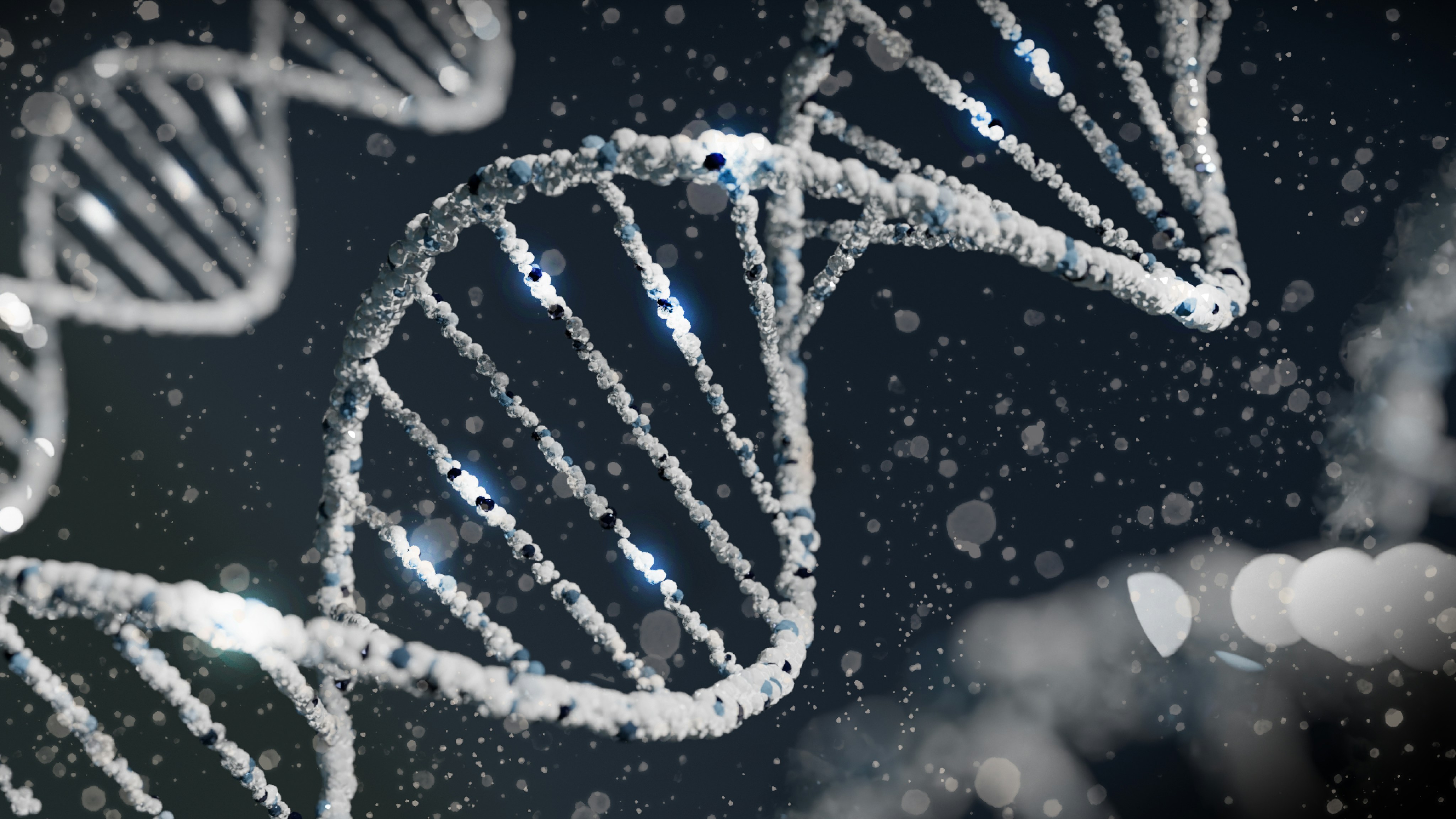
A rare genetic disease is a health condition that is uncommon in the population and is caused, fully or partly, by a change in a person’s genetic material.
That may sound simple, but after a diagnosis, families are often left with much harder questions.
What does “genetic” actually mean?
Does it mean inherited?
Does it mean someone passed it on?
Why is there no family history?
And what are we supposed to do with this information now?
This guide explains the basics in plain language.
Quick answer: a rare genetic disease is a rare condition linked to a change in DNA, genes or chromosomes. Some are inherited from one or both parents. Some happen for the first time in the person diagnosed. Some are diagnosed in childhood, while others appear later in life. A genetic diagnosis can help explain what is happening, but it does not automatically make daily life easier to manage.
First: what does “rare” mean?
A rare disease is a condition that affects a small number of people compared with more common conditions.
Definitions vary by country. In Europe, rare diseases are often discussed as conditions affecting fewer than 5 in 10,000 people. But rare does not mean “only a few families”. Collectively, rare diseases affect millions of people worldwide.
This is one of the hardest things about rare disease.
Each condition may be rare. But the experience of being left to navigate something complex, unfamiliar and poorly understood is not rare at all.
What does “genetic” mean?
“Genetic” means the condition is connected to a person’s genetic material.
Your genetic material is the instruction system your body uses to grow, develop and function. It includes DNA, genes and chromosomes.
A genetic change may affect:
A single gene
A chromosome
The number of copies of a gene or chromosome region
How a gene works
How much of a certain protein the body can make
Genetic testing, sometimes called genomic testing, is used to look for changes in genes or chromosomes that may help explain a health condition. It is commonly used in rare and inherited conditions.
Is genetic the same as inherited?
Not always.
This is a very important distinction.
A condition can be genetic without being inherited from a parent.
Some genetic conditions are passed down in families. Others happen for the first time in the person diagnosed. This is often called a de novo variant, which means a new genetic change that was not inherited from either parent.
So when a family is told “this is genetic”, it does not automatically mean someone passed it on.
A better question is:
“What is the inheritance pattern in this specific condition?”
Common ways rare genetic conditions can happen
A condition may be inherited from one parent
Some conditions are inherited when one parent has a genetic change and passes it on.
This may be described as autosomal dominant inheritance.
In some families, the parent may already know they have the condition. In others, they may have mild symptoms, late-onset symptoms, or may not have been diagnosed before.
A condition may be inherited from both parents
Some conditions happen when a child inherits one changed copy of a gene from each parent.
This may be described as autosomal recessive inheritance.
In this situation, both parents may be healthy carriers. They may have no symptoms themselves, and there may be no obvious family history.
A condition may happen for the first time
Some genetic changes happen newly in the person diagnosed. This is called de novo.
For families, this can feel very confusing because there may be no warning and no known family history.
De novo does not mean someone caused it. It means the genetic change appears to have happened for the first time in that person.
A condition may involve chromosomes
Some conditions are caused by missing, extra or rearranged chromosome material.
For example, 22q11.2 deletion syndrome, also known as DiGeorge syndrome, is caused by a missing piece of chromosome 22. The condition can affect different parts of the body, and people can be affected in different ways.
Why can the same diagnosis look different between people?
Rare genetic conditions can vary a lot.
Two people with the same condition may not have the same symptoms, severity or daily needs. Even within one family, the condition may look different from person to person.
This can happen because of:
The exact genetic change
Other genetic factors
Age
Environment
Treatment history
Other health conditions
How the condition affects different body systems
This is why families often need both condition-level information and person-specific context.
A diagnosis name is important, but it is not the whole story.
What if we are still waiting for confirmation?
Some families are told a condition is suspected to be genetic before testing is complete.
That can be a difficult middle stage. You may have a strong suspicion, a referral, a possible condition name, or early clinical signs, but no final confirmed result yet.
If you are waiting for confirmation, useful things to keep together may include:
Appointment letters
Referral notes
Test names
Family history information
Symptoms and when they started
Changes over time
Questions for the genetics or specialist team
What can a genetic diagnosis help with?
A genetic diagnosis may help families and clinicians:
Understand why symptoms are happening
Identify the condition more precisely
Find the right specialist team
Understand whether other family members may be affected
Discuss future pregnancy or family planning questions
Check whether any treatments, trials or guidelines are relevant
Explain the condition to schools, workplaces, carers or support services
But diagnosis is not the same as support.
Families often still need to work out what the condition means in daily life, what to watch for, who needs to know, what documents matter, and how to prepare for each next conversation.
Questions families may want to ask
If you have received a genetic diagnosis, you may want to ask your healthcare or genetics team:
What is the exact diagnosis?
Which gene or chromosome is involved?
Was the genetic change inherited or de novo?
Do parents, siblings or other relatives need testing?
What does this mean for future pregnancies?
What symptoms or changes should we watch for?
Are there condition-specific guidelines or specialist centres?
Are there any treatments, trials or research registries relevant to this condition?
Can we have a plain-language summary of the diagnosis?
What should we bring to future appointments?
You do not need to ask everything at once. It is normal to need time.
What to keep in your care memory
After a rare genetic diagnosis, it can help to keep:
The genetic report
Clinic letters
The exact condition name
The gene or chromosome involved, if known
Inheritance information
Key symptoms and changes over time
Medication and therapy notes
Questions for appointments
School, work or care plans
Documents needed for support applications
Family updates or explanations you may need to repeat
This is not about becoming a medical expert overnight.
It is about not having to rebuild the story from scratch every time someone asks.
What to remember
A rare genetic disease is a rare condition connected to a change in DNA, genes or chromosomes.
Genetic does not always mean inherited. Some conditions are passed down in families. Some happen for the first time.
A diagnosis can give families a name, but it does not automatically organise the next steps. Families still need support understanding what matters, what to track, what to ask and how to keep everyone aligned.
How Rarevia can help
A rare genetic diagnosis can give families a name, but it does not automatically organise what comes next.
Rarevia is being built for patients, parents and carers managing a confirmed or suspected rare genetic condition. It helps families keep the important pieces together: the diagnosis, gene or subtype if known, key letters, questions, observations, daily-life changes, things to watch, and what needs to be raised next.
The goal is not to replace genetic counselling or medical advice. It is to help families turn scattered information into a living care memory they can understand, update and reuse when speaking to clinicians, schools, family members, funders or specialist centres.
If you are carrying too much of the story in your head, join the early list to help shape Rarevia as it is built.
Sources and further reading
This article draws on trusted public health and genetics resources, including Genomics Education Programme on rare disease, NHS guidance on genetic and genomic testing, Genomics Education Programme’s definition of de novo variants, and MedlinePlus Genetics on 22q11.2 deletion syndrome.


Join the early interest list today
Get early updates, help shape Rarevia, and be among the first to try it when we launch.
